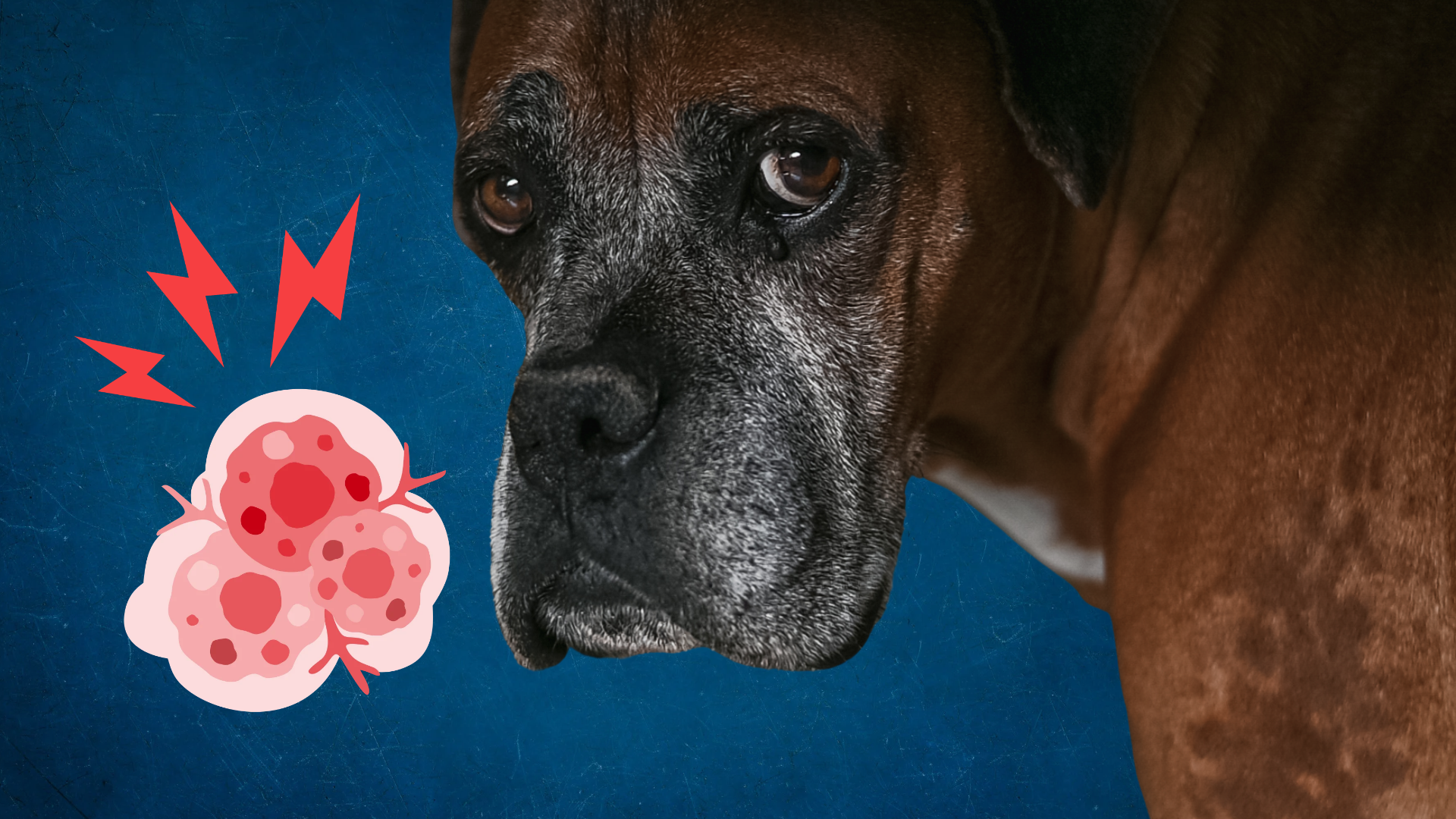
Your dog rolls over for a belly rub, and your hand catches a bump you have never noticed before. It is natural to worry about cancer in dogs, especially when you cannot tell how long the lump has been there. The safest next step is to have a veterinarian at Dollys Animal Clinic examine it rather than trying to identify it yourself. We provide veterinary exams for dogs throughout Miami, FL.
Why a Lump Does Not Give You the Whole Answer
The American Veterinary Medical Association has noted that 1 in 4 dogs is likely to get cancer, so it’s understandable to be worried about a mass on your dog. A growth beneath the skin could be a fatty mass, a cyst, an inflamed area, or a cancerous tumor. Even a lump that feels soft or has stayed small needs assessment because a veterinarian will give a professional take on differentiating a growth from cancer.
Symptoms Worth Bringing to Your Veterinarian
A new mass is one possible warning sign of cancer in dogs, but changes elsewhere in the body matter, too. A reduced appetite, weight loss, unusual fatigue, stiffness when trying to move, and sores that fail to heal warrant a vet visit. You should also report unexpected bleeding from the nose, mouth, or other body openings, along with any growth that becomes painful or starts to bleed. These symptoms can result from several conditions and do not establish a cancer diagnosis. For difficulty breathing, collapse, or bleeding that will not stop, seek emergency care immediately.
Start With an Examination, Not a Guess
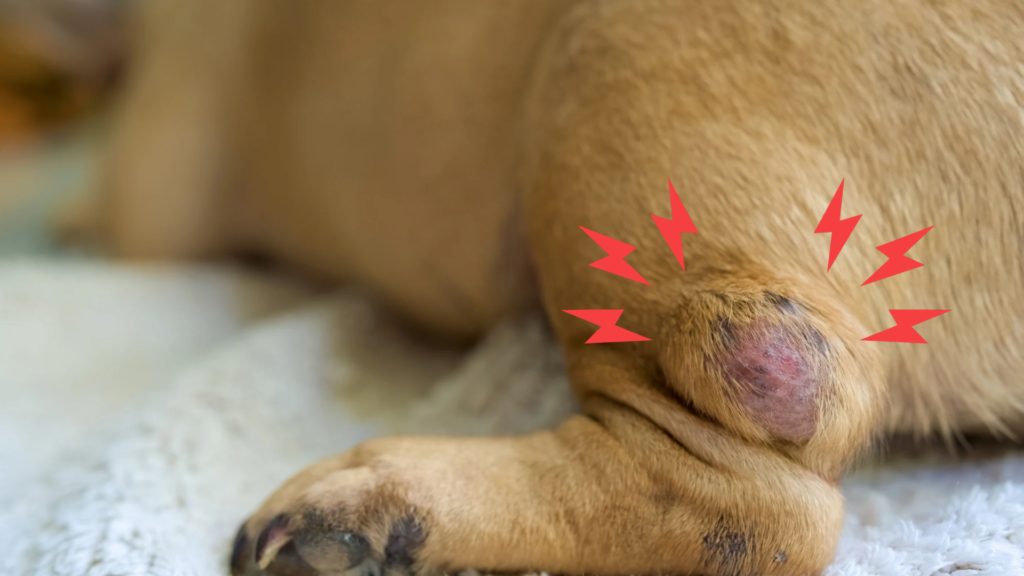
Miami dog owners should contact Dollys Animal Clinic when you discover a new lump, even if your dog seems unbothered by it. Be ready to describe its location, when you noticed it, and whether its size or appearance has changed. After examining your dog, our veterinarians may recommend a biopsy, blood tests, or imaging. The findings guide the conversation about whether monitoring or treatment is needed.
Make a Habit of Noticing Small Changes
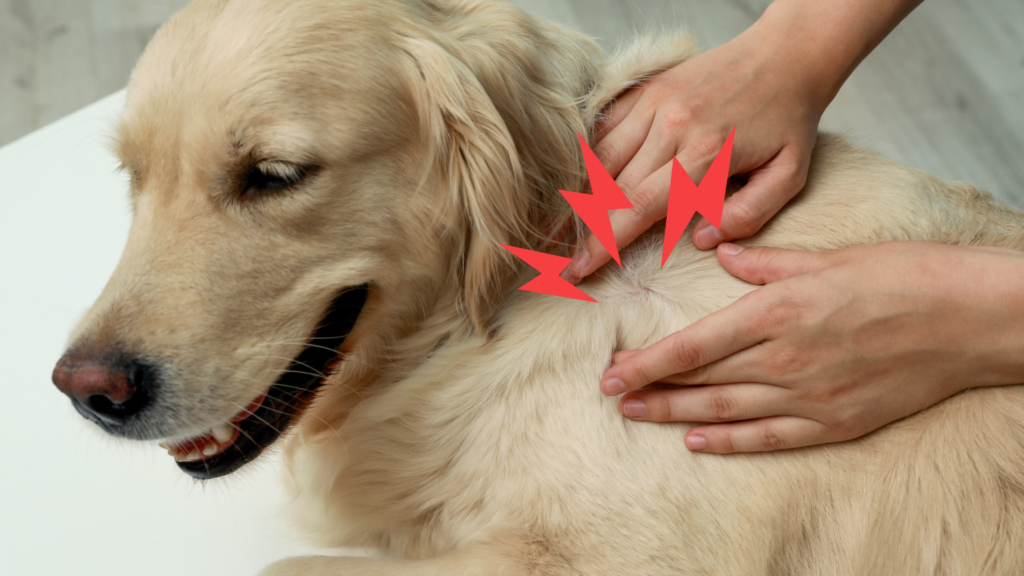
You do not need special equipment to become more familiar with your dog’s skin. During relaxed time together, gently feel along your pet’s head, neck, back, chest, belly, legs, and tail, checking beneath areas of thick fur. Be sure to check inside their mouth, too! Photograph new lumps and make a note of their location so you can share a clear history at the vet visit.
Internal Illness May Not Create an Obvious Mass
Some cancers develop in internal organs or blood without causing a visible lump on the skin. Continuing digestive problems, unexplained weight changes, or a persistent decline in energy deserve an examination, too. Keep track of when symptoms occur and whether they are becoming more frequent. A dog who has no noticeable bumps can still need medical attention.
Get Answers About Your Dog’s Lump in Miami, FL
Finding a bump can feel alarming, but you do not have to work through the uncertainty alone. Dollys Animal Clinic provides veterinary care for dogs and cats from Miami, Tamiami, and Sweetwater areas. If you have noticed a new growth, contact our team to arrange an appointment.