ACL Repair for Pets in Miami, FL
Alleviate Their Pain and Restore Their Mobility

Dollys Animal Clinic understands the pain and discomfort a torn ACL can cause your pet.
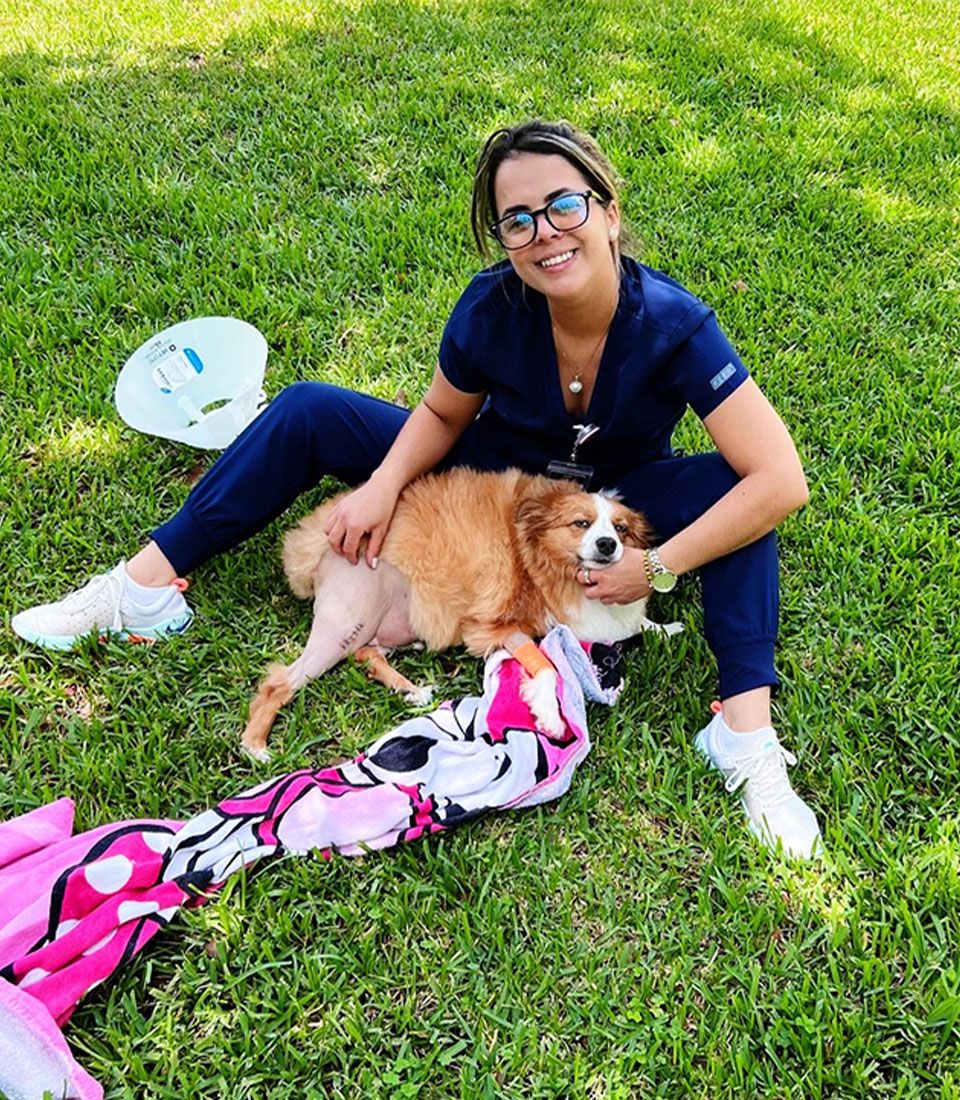
ACL Injuries in Pets
The cranial cruciate ligament (CCL) is present in both dogs and cats and functions similarly to the human ACL. When the CCL ruptures, it can cause limping and severely limit a pet’s mobility. Unlike human ACL injuries that occur from sudden trauma, a pet’s ACL rupture may occur gradually from repeated physical activity. Dogs are more susceptible to this injury than cats, and overweight pets are at a higher risk due to the added stress on their joints.
Does My Pet Need ACL Surgery?
It’s essential to address ACL injuries in pets quickly, as they can cause significant discomfort and limit mobility. In most cases, surgery is recommended to stabilize the knee, alleviate pain, and prevent further damage. To determine the extent of the injury and whether surgical care is necessary, the vet will use diagnostic tools such as x-rays. If you’ve noticed any concerning signs of an ACL injury in your pet, it’s important to schedule a veterinary appointment promptly. Your dog may have an ACL injury if you notice any of the following signs:
- Limping in the hind legs
- Joint stiffness, particularly when resting
- Laying with one leg extended
- Difficulty jumping or getting up
- A clicking sound in the dog's knee
Our ACL Surgery for Dogs & Cats
Surgery is required for repair of ACL injuries in most cases. If surgery is indicated, we coordinate with a specialist surgeon to come in and perform the surgery as soon as possible.
After the surgery, most pets can return home to rest on the same day. We will schedule a follow-up appointment to monitor your pet’s progress and help them regain their mobility. At Dollys Animal Clinic, we are committed to providing the highest quality of care for your furry friends.
Aftercare for ACL Surgery Recovery
- Rest and Relaxation: Provide a comfortable and quiet environment for your pet to rest and recover, avoiding noisy or active environments that can cause stress.
- Nutrition: Adjust your pet's diet to avoid excess weight gain during their limited activity, and discuss with our vet the best nutrition plan for their recovery.
- Orthopedic Surgery Post-Op Care Per Day at an additional cost: This includes physical therapy, hot-cold therapy and incision monitoring. Most clients use this service for the first 3-7 days post surgery.
- Laser Therapy: For the surgical site highly recommended by the orthopedic surgeon.
- Monitoring Stitches: Your pet may need to wear a cone or inflatable collar to prevent licking or chewing around the incision until stitches are removed. Monitor the area for inflammation, odor, or wound reopening and contact us if any of these issues arise.
How Long Does Recovery for Pet ACL Surgery Take?
Skilled ACL Repair to Restore Pet Mobility